
For every sold out show, every stage dive, every blurry photo taken from the barricade, there’s an entire ecosystem working in the shadows.
We see the bands. We hear the amps. We feel the room shake. But long before the first note rings out and long after the last cable is wrapped, there are people making it happen.
Venue owners unlocking doors before sunrise. Promoters refreshing ticket counts like a pulse check. Production crews solving problems the crowd will never know existed. Contracts. Deposits. Last minute set changes. Broken gear. Tight budgets. A hundred invisible decisions shaping nights we never forget.
A local music scene doesn’t survive on talent alone. It survives on trust. On risk. On people who believe enough in a band, a room, and a community to bet their time and money on it.
We wanted to pull back the curtain.
To talk to the venues who host the chaos.
To hear from the promoters who build the bills.
To understand what it really takes to turn an empty room into something electric.
Because behind every great show is someone who made sure it could happen at all.
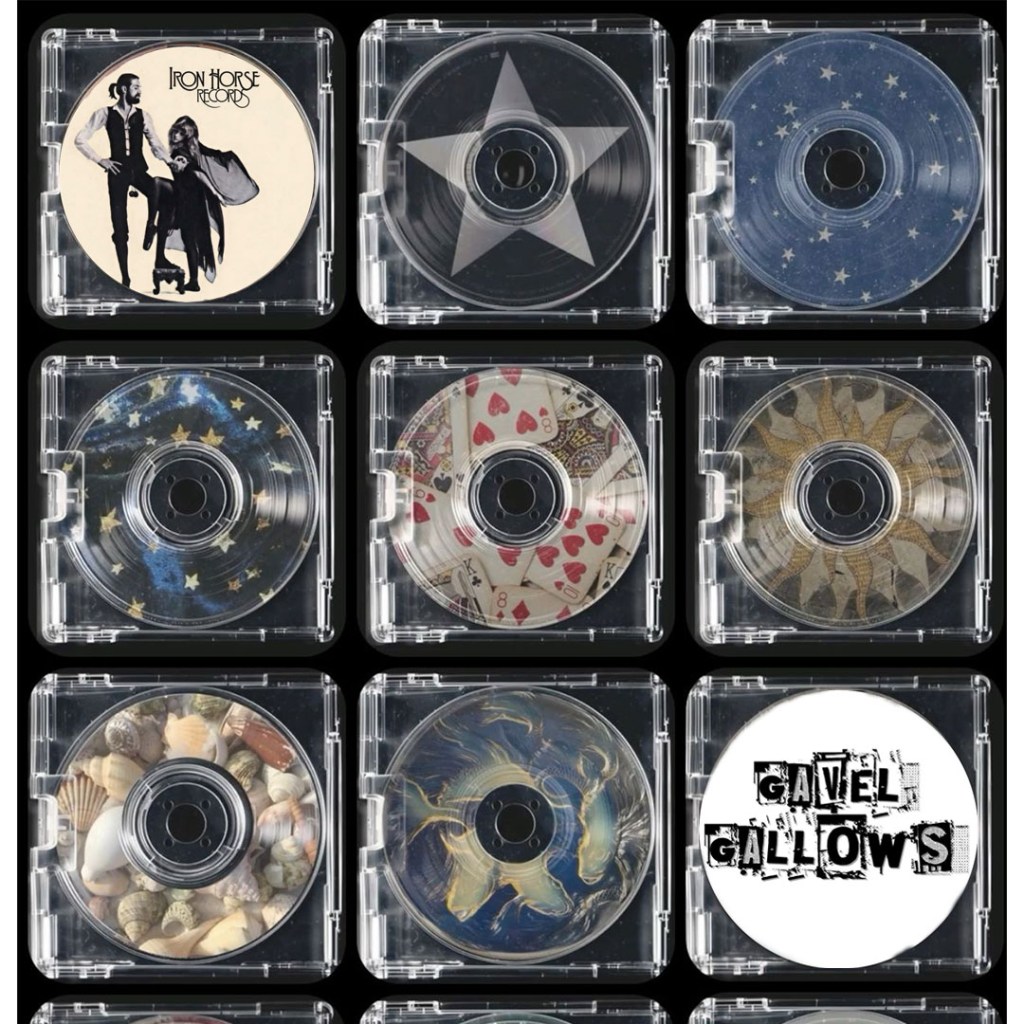
If you’ve spent any time in Van Buren’s local scene, you’ve probably found yourself inside Iron Horse Records.
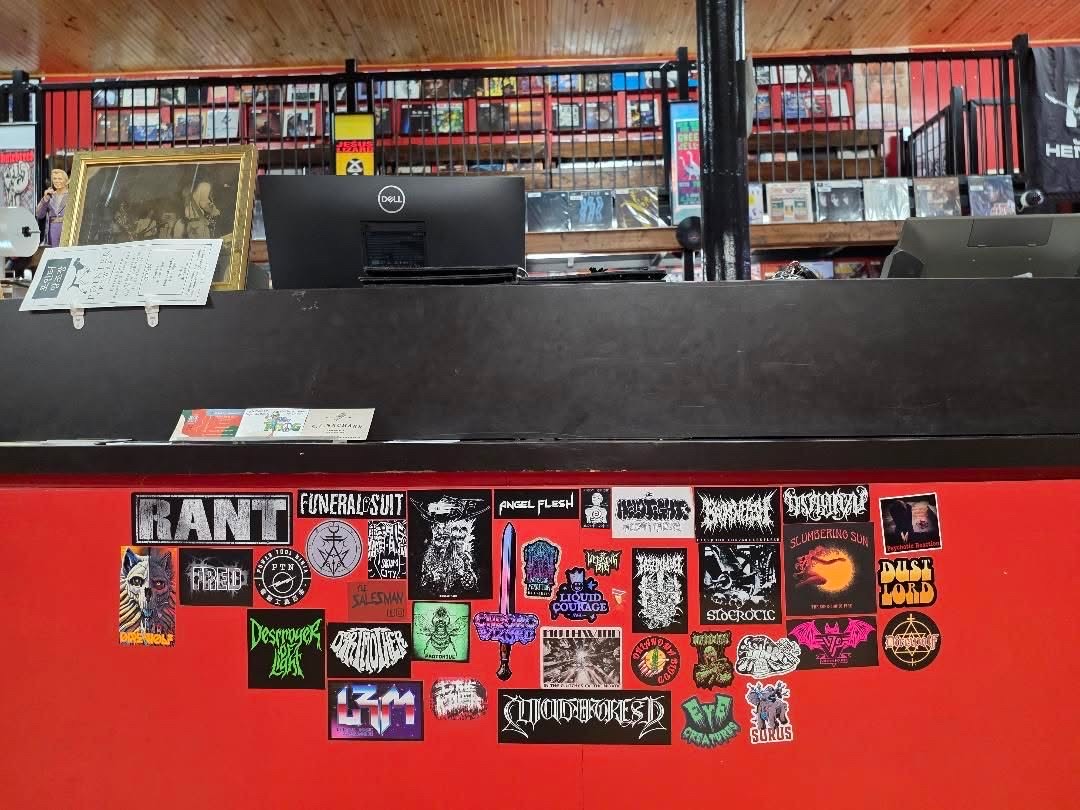
It’s more than a shop. It’s a meeting point. A loading zone for touring bands. A safe haven for kids discovering their first heavy record. A place that smells like vinyl, sweat, and possibility.
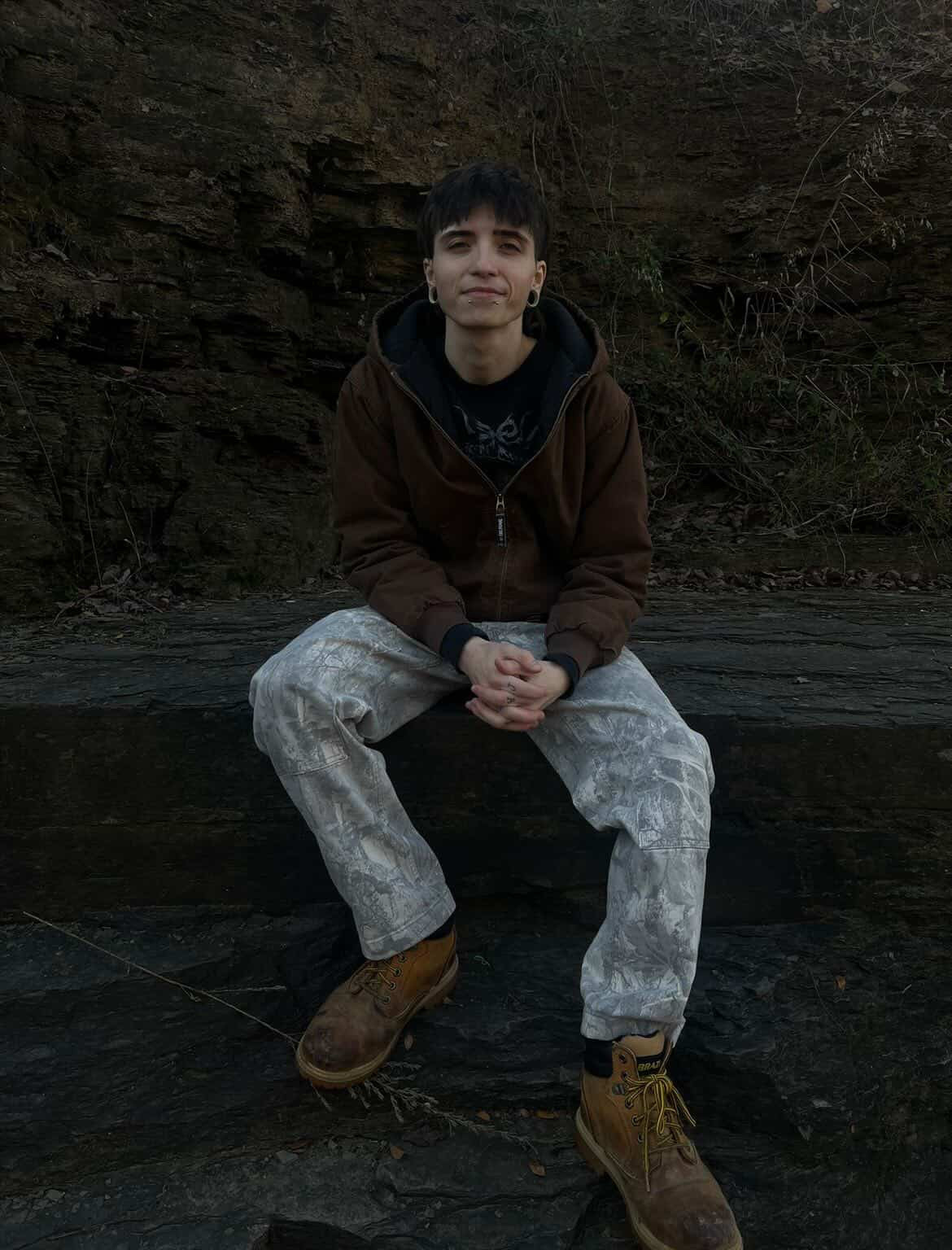
At the center of it is Brook.
Not just a record store worker. Not just a venue operator. A metalhead through and through. The kind who understands heavy music isn’t just sound. It’s community. It’s responsibility. It’s showing up when turnout is unpredictable and margins are thin.
Iron Horse is technically a record store. Emphasis on technically. Ninety percent vinyl sanctuary. Ten percent controlled sonic detonation.
Shirt racks get rolled aside. The stereo section gets compressed. A stage materializes out of retail space. Smitty starts moving gear a day or two early, preparing the room while allegedly enjoying a good cry. Jim sets up the PA. By doors, it looks effortless.
It is not.
Brook runs the doors, answers questions, handles the register, and steps in when the room gets rowdy. She prints and hangs flyers around town, then circles back after the show to take them down. On any given night she’s part security, part hospitality, part coordinator, part therapist.
And that’s only what you see.
Behind the scenes, a show only happens if three volunteers’ schedules align. No staff roster. No corporate cushion. Just people rearranging real life to carve out space for heavy music in a town that doesn’t overflow with it.
Load in becomes a scavenger hunt when downtown parking disappears. Bands have left guitars behind. Someone once flushed their underwear down a hundred year old toilet, forcing a months long “No Public Restrooms” era. And there was the night a steady stream of people pretended they didn’t know shows cost money to enter, testing Brook’s ability to remain grounded and not introduce herself to the ceiling fan.
Still, it works.
And when it doesn’t, they power through.
A Halloween show packed over a hundred people into the space, Brook running doors solo while chaos bloomed. A DSBM booking she worried would flop drew more than thirty people, some driving over an hour. In the middle of Arkansas. For a niche black metal act. That wasn’t luck. That was proof.
Iron Horse is currently the only all ages metal friendly space within forty five miles. Kids ask bands to sign things. Touring acts crash in Brook’s guest room and, if they’re still there after 8am, get waffles pressed in a Ninja Turtle waffle iron. Coffee. Towels. Laundry detergent. DIY hospitality done right.
She’s selective now. Twice a month was exhausting. If she doesn’t believe at least twenty people will show, she hesitates. Handing a band less than a hundred dollars at the end of the night makes her cringe. Pride and practicality are constantly negotiating.
Her goal is simple. Build a metal scene here. Especially the strange and extreme corners that rarely route through Arkansas. She wants Iron Horse to be what SWAD once was for her: a safe place to disappear into volume.
If these walls could talk, they would complain about dropped records and something called The Hot Dog Incident, which remains classified.
Success, for now, looks like steady growth. Bigger turnouts year after year. No viral explosion. Just consistency.
When people leave, Brook hopes they walk out feeling like they had a good time. Something special. Something louder than the rest of their week.
If Iron Horse is the sanctuary, Gavel Gallows is the spark.
When the DIY scene in Fort Smith thinned out, a lot of people talked about it.
Gavel Gallows built.
After moving back to a quieter city, they saw the frustration. No shows. Nothing to do. People driving hours just to feel something loud. Instead of accepting it, they stepped in.
“I’ve always believed in making the change where I want to see the change.”
That belief became lineups. Flyers. Late nights. A name that now carries weight in local hardcore.
From the outside, promoting looks simple. Book bands. Post graphics. Unlock door. In reality, it’s construction work.
Curating write ups. Coordinating with venues. Relaying information between bands. Fielding DMs. Getting the show in front of the right people. On show day, they’re loading gear early, welcoming first timers, introducing new faces, standing in the pit while scanning the room to make sure everyone is okay.
Fort Smith has a lot of new blood entering the scene. Safety matters as much as chaos.
Sometimes the most fragile part of a night isn’t the equipment. It’s the people. Personal tension bleeding into the crowd. When that risk is present, Gavel Gallows keeps watch and steps in. Hardcore thrives on intensity. It survives on accountability.
Lineups take patience. Confirmations stall. Schedules clash. Bills have to balance local loyalty with out of town draw. And the financial risk is real. Money invested might not come back. Low turnout affects everyone.
Despite assumptions, Gavel Gallows doesn’t take a cut unless the bands and venue are fully taken care of first.
They balance promotion with a full time job in pediatric therapy, deliberately protecting mental space between clinic hours and show logistics. Sustainability matters. You cannot build a scene if you burn yourself out of it.
J Haus Fest stands as proof of what’s possible. A packed room. Over nine hundred dollars raised for Jessi’s House. Donations collected. People driving down from NWA. New locals stepping into their first Fort Smith hardcore show.
That’s not just a successful night. That’s infrastructure.
When asked about quitting, the answer is immediate. Never.
What keeps it moving is community. The crowd. The outcasts who finally find a room where they can mosh, stim, scream, and exist without shrinking. A place to belong.
If people leave asking when the next show is, the job is done.
Not just filling a room.
Building something that lasts.
Scenes don’t die overnight. They fade when no one fights for them.
What’s happening in Van Buren and Fort Smith isn’t nostalgia or luck. It’s work.
At Iron Horse, racks get moved so distortion can breathe. Volunteers bend their schedules around blast beats and hundred year old plumbing.
In Fort Smith, Gavel Gallows stitches a scene back together with patience, sweat, and stubborn belief.
None of it is glamorous.
It’s unpaid hours. Financial risk. Stress at the door. Handing a band less than you wish you could. Hoping enough people show up. Hoping the toilet survives.
It’s also kids getting their first record signed. Touring bands waking up to Ninja Turtle waffles. Benefit shows raising real money. Strangers becoming regulars.
A local scene isn’t built on hype.
It’s built on people who show up anyway.
And if these rooms keep getting louder every year, it won’t be because someone discovered them.
It will be because they built the stage themselves.
 MID SOUTH